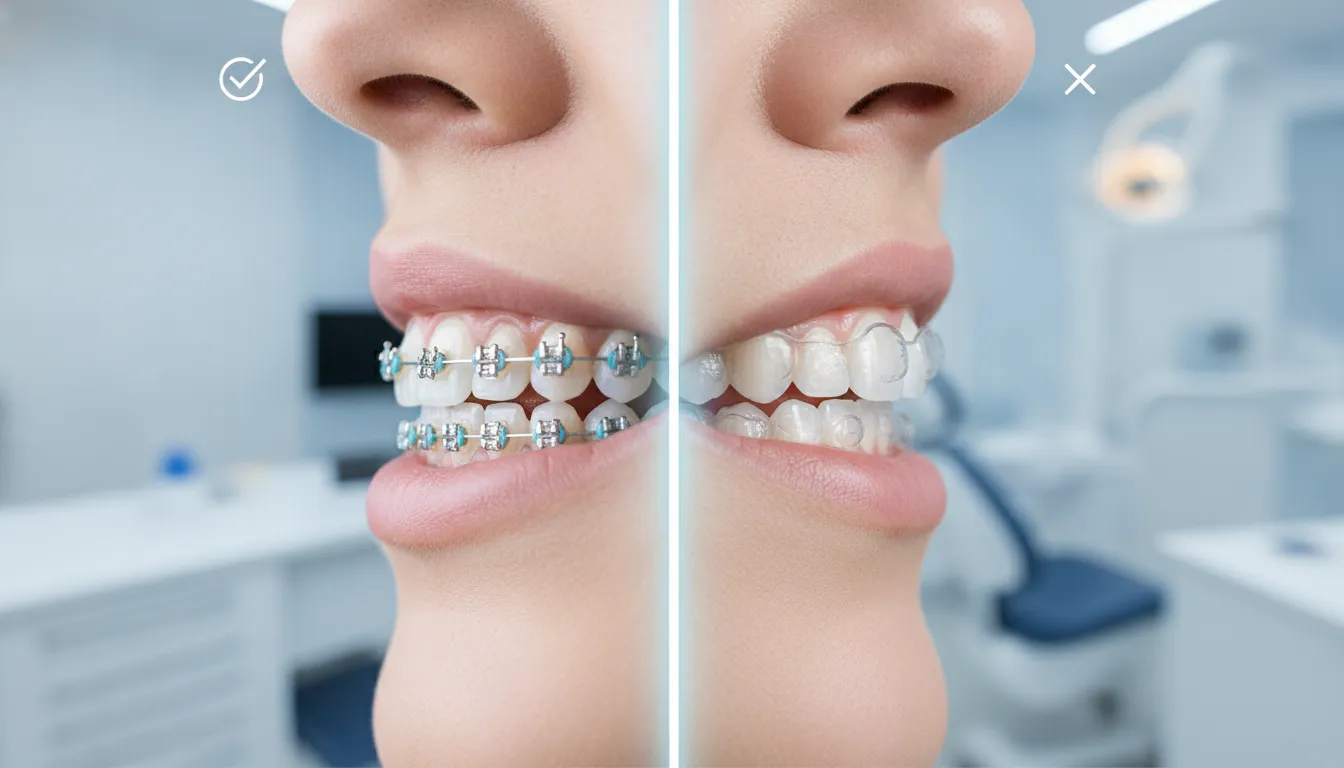
Want straighter teeth without traditional metal braces? Ceramic braces and clear aligners offer two different ways to make treatment less noticeable, but they ask for different habits. With clear ceramic braces vs clear aligners, the choice often comes down to more than appearance. Fixed brackets need careful cleaning and may affect what you eat. Removable trays offer flexibility, but you must wear them as directed for treatment to progress. Your bite, tooth alignment, goals, and budget matter, too. This guide breaks down the main differences, from comfort and care to treatment limits and costs, so you can have a more informed conversation with your dental provider.
Key Takeaways
- Start with an exam: Your alignment, bite, and oral health help determine whether ceramic braces or clear aligners may fit your treatment needs.
- Match treatment to your routine: Braces require careful cleaning and food precautions; aligners require consistent wear and daily cleaning.
- Ask for a complete plan and estimate: Discuss treatment time, appointments, retainers, insurance, and potential extra costs before choosing.
What Are Ceramic Braces and Clear Aligners?
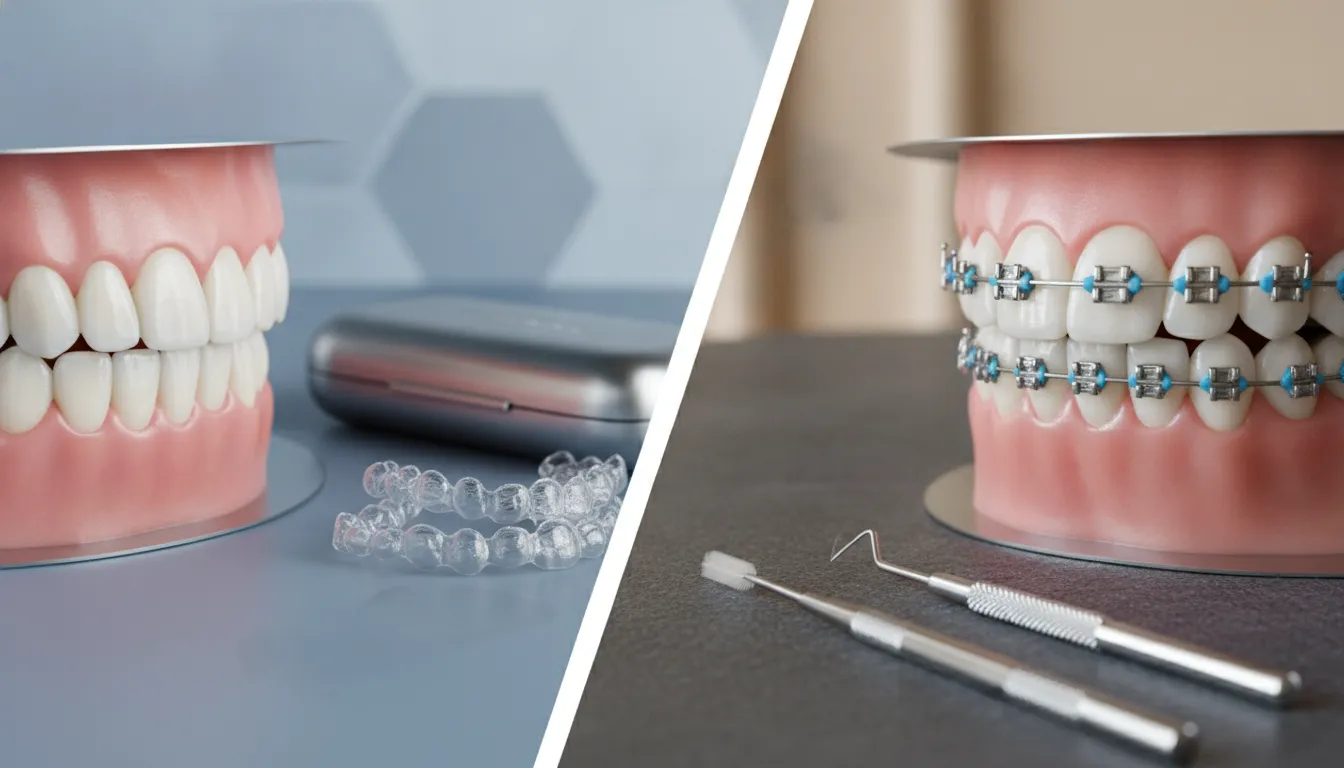
Ceramic braces and clear aligners can both straighten teeth, but they use different methods. Ceramic braces are fixed to the teeth and use a wire to guide movement. Clear aligners are removable trays, made to fit your teeth, that move them in stages.
The right option depends on your alignment and bite, treatment goals, and daily routine. An exam helps determine which approach may suit you and whether other dental care should come first. Desert Dental Alternatives offers clear aligner treatment as part of its comprehensive dental services. Ask your provider which options are appropriate for your needs.
How Ceramic Braces Move Teeth
Ceramic braces use small brackets made from tooth-colored or clear ceramic. The brackets attach to the teeth, and a wire connects them to apply steady pressure. Over time, this pressure guides teeth toward planned positions. Since braces remain in place, they work throughout the day without relying on you to remember to wear an appliance.
Ceramic braces work much like traditional metal braces, but their brackets are less noticeable. Cleveland Clinic explains how clear braces work, including how the brackets and wire guide tooth movement. Your dental provider can assess whether braces may be appropriate for your alignment and bite.
With fixed braces, cleaning takes extra attention, and some foods may need to be avoided to protect the brackets and wire. Regular appointments let your provider monitor your progress and adjust the appliance as needed.
How Clear Aligners Move Teeth
Clear aligners are custom-made plastic trays that fit over your teeth. Each set applies controlled pressure to guide specific movements. You progress through a series of trays, changing sets according to your provider’s instructions. Research on clear aligner treatment describes this gradual, staged approach.
Because aligners are removable, you can take them out to eat, drink anything other than water, brush, and floss. For treatment to stay on track, you need to wear them for most of the day, including while you sleep. Leaving them out for longer than directed may affect how your teeth respond.
Your provider will check your teeth and bite to determine whether aligners fit your treatment needs. Some plans may use small attachments on the teeth or include additional trays to help guide movement. Follow your provider’s instructions on wear time and check-ins.
How Do They Compare in Appearance, Comfort, and Care?
Ceramic braces and clear aligners can both make orthodontic treatment less noticeable than traditional metal braces, but they work differently in daily life. Ceramic braces are fixed to your teeth, while clear aligners are removable trays. That difference affects what you eat, how you clean your teeth, and how closely you need to follow a wear schedule.
Your choice also depends on your treatment needs. Ceramic brackets blend with tooth color, but the wire and brackets may still show. Aligners are clear, though they can become cloudy if you don’t clean them regularly. Both options can cause temporary pressure as your teeth move, and either may take some getting used to.
Desert Dental Alternatives offers clear aligner treatment as part of its range of dental services. A consultation can help you review your goals, oral health, and daily routine before deciding. Ask what each option would involve in your case, including how often you’ll need check-ins and what you can expect during the first few weeks. The right choice is one that suits both your treatment plan and your ability to follow it consistently.
Visibility, Staining, and Irritation
Ceramic braces use clear or tooth-colored brackets that blend with your teeth. They’re typically less noticeable than metal braces, although the brackets and wire may still be visible, especially up close. The elastic ties that hold the wire in place can stain from foods and drinks such as coffee, tea, or curry. The brackets themselves are generally more stain-resistant. As Cleveland Clinic notes, clear braces may also move teeth more slowly than metal braces in some cases.
Clear aligners fit closely over your teeth and are harder to see during everyday conversations. They can discolor or look cloudy if they aren’t cleaned regularly. Since they don’t use brackets or wires, they may cause less rubbing against your cheeks and lips, though either treatment can feel irritating while your mouth adjusts.
Eating, Cleaning, and Wear Time
With ceramic braces, you can eat without removing anything, but you’ll need to avoid hard or sticky foods that could damage brackets or wires. Brush carefully around each bracket and floss daily to remove plaque and food debris. Your dental team can recommend tools, such as floss threaders or interdental brushes, to make cleaning easier.
Clear aligners come out for meals, snacks, and brushing, so you can eat a wider range of foods and follow your usual oral hygiene routine. Clean the trays daily, and brush your teeth before putting them back in. Most patients need to wear aligners for at least 22 hours a day for treatment to progress as planned, according to the American Association of Orthodontists. The flexibility comes with a responsibility: remember to put the trays back in after eating or drinking anything besides water.
Comfort During Treatment and Adjustments
Both treatments apply pressure to move teeth, so mild tenderness is common when treatment starts or changes. Ceramic braces may rub against the inside of your cheeks or lips, especially after an adjustment. Orthodontic wax can help cushion areas that feel sore while your mouth adapts.
Clear aligners have no brackets or wires, which some patients find more comfortable day to day. A new set can still create pressure for a few days, and any attachments used to guide tooth movement may feel noticeable. Comfort varies by person and treatment plan. One study comparing patient satisfaction found higher ratings for clear aligners in comfort and appearance, but individual experiences differ. Let your dental team know if soreness persists or interferes with eating or speaking, so they can advise you on next steps.
Which Orthodontic Issues Can Each Option Treat?
Ceramic braces and clear aligners can both address alignment concerns, but they don’t work the same way or suit every treatment plan. Your options depend on the type and extent of tooth movement needed, your bite, and whether you can follow the appliance’s instructions. A dental exam helps determine which approach can address your needs and whether another treatment or a combination of approaches may be more appropriate.
Case Complexity, Tooth Movement, and Treatment Limits
Clear aligners may work well for mild to moderate crowding, spacing, and some bite concerns. Because you remove them to eat and brush, you’ll need to wear them as directed for treatment to progress. More involved movements, including significant rotations or major bite corrections, may be harder to achieve with aligners alone.
Ceramic braces use brackets and wires to guide tooth movement. They may be considered for a wider range of alignment needs, including more substantial crowding, spacing, and rotations. Neither option is best for everyone: the right choice depends on the movements your teeth need, not only on how noticeable the appliance is. The American Association of Orthodontists’ comparison of braces and clear aligners explains why treatment decisions should account for both correction goals and lifestyle.
Why You Need an Individual Exam
An exam allows your dental provider to assess your teeth, bite, gums, and dental history before recommending treatment. They may also use digital scans or imaging to understand how your teeth fit together and plan the movements involved. This step matters because two people with similar-looking crowding may need different approaches to achieve a healthy, stable result.
Your preferences are part of the conversation, too. You may value a less noticeable appliance, simpler cleaning, or a treatment method suited to more complex movements. At Desert Dental Alternatives, you can discuss your goals and oral health needs during a consultation and learn about available care, including clear aligner treatment.
What Does Treatment Involve?
Treatment begins with an assessment and a plan based on your teeth, bite, and goals. Whether you choose ceramic braces or clear aligners, you’ll have check-ins to make sure treatment is progressing as expected. Your provider can explain the schedule, what changes to look for, and when to ask for help.
Consultation, Digital Scans, and Treatment Planning
At your consultation, your provider will examine your teeth and bite, ask about your goals, and review your dental history. They may also take photographs, X-rays, and digital scans or impressions. These details help determine which option may suit your needs and whether you need other dental care before orthodontic treatment. A comprehensive dental exam can be a helpful first step.
For clear aligners, digital planning software can map the intended tooth movements and show a projected treatment sequence. The estimate is not a guarantee, since teeth may respond differently than planned. Your provider will review the options and timeline with you, and update the plan if needed. A treatment consultation can help clarify whether braces or aligners are appropriate for your alignment needs.
Braces Adjustments, Aligner Changes, and Check-Ins
With ceramic braces, you’ll attend appointments so your provider can check tooth movement and adjust the wires or other components. How often you visit depends on your treatment plan. Let your provider know if a bracket feels loose, something rubs against your mouth, or soreness is affecting your daily routine.
Clear aligners come in a series of removable trays. You’ll change to the next set according to your provider’s instructions, often every one to two weeks. Follow-up visits let your provider check that your teeth are moving as expected and that each tray fits properly. Research describes how aligner sets guide tooth movement, but your schedule may differ. Wear your trays for the recommended number of hours each day, and bring them to appointments.
Refinements, Unexpected Issues, and Retainers
Sometimes treatment needs a refinement, which may involve additional adjustments or aligner trays to address tooth movements that haven’t reached their planned positions. If an aligner no longer fits, a bracket comes loose, or discomfort persists, contact your provider for guidance. Don’t change your treatment schedule without checking first.
After active treatment, retainers help keep your teeth in their new positions. Your provider will tell you how often to wear yours and when to replace it. Ask about retention before treatment ends, so you know what to expect after braces or aligners. The best treatment approach depends on your individual needs, and your provider can explain whether refinements are likely and how long you may need to wear a retainer.
How Effective Are Ceramic Braces and Clear Aligners?
Ceramic braces and clear aligners can both correct tooth alignment when the treatment suits your needs and you follow your provider’s instructions. Their effectiveness depends on the type of tooth movement required, the complexity of your bite, and how consistently you follow the treatment plan. A dental exam can help identify which option is appropriate and what results may be realistic.
Treatment Complexity and Patient Compliance
Ceramic braces remain attached to your teeth throughout treatment, so they work continuously without relying on you to remember to put them in. Their brackets and wires give the provider control over tooth movement, which may make them a good fit for more complex concerns, such as significant crowding, rotated teeth, or certain bite issues. Clear aligners can work well for many mild to moderate alignment concerns, but you must wear them for the prescribed amount of time each day and change trays as directed. Missing wear time can delay progress or affect how the trays fit. This comparison of ceramic braces and clear aligners explains how treatment complexity can influence the choice.
Aligner Capabilities and Brace Durability
Clear aligners can address more than small cosmetic changes. Depending on your teeth and bite, they may help correct crowding, gaps, and some bite concerns. Since you remove them to eat and clean your teeth, daily care can be more convenient, but consistent wear is essential. Ceramic braces can treat a broad range of alignment issues and remain in place, though brackets may chip or break if you bite hard foods or put too much pressure on them. Some patients prefer aligners for their appearance and comfort, as noted in this study of patient satisfaction. Personal preference matters, but an exam is needed to determine which option can meet your treatment needs.
What Are the Pros and Cons of Each Option?
Ceramic braces and clear aligners can both straighten teeth, but they work differently and ask for different habits. Ceramic braces stay attached to your teeth, while aligners are removable and depend on regular wear. Your orthodontic needs, daily routine, and preferences all matter when weighing the options. A dental professional can examine your teeth and help you understand which treatments may fit your situation.
Ceramic Braces: Advantages and Trade-Offs
Ceramic braces use tooth-colored or clear brackets, making them less noticeable than metal braces for many people. Because they remain in place, you don’t need to remember to put them back after meals. They may also be considered for a range of alignment and bite concerns, including some more complex cases. The American Association of Orthodontists explains how braces and aligners differ, while your provider can discuss what those differences mean for your teeth.
Ceramic brackets can still be visible, and some components may stain. Brushing and flossing also take extra care around the brackets, which may irritate your cheeks or lips. Ceramic braces can cost more than metal braces, depending on your treatment plan and insurance. Ask for a cost estimate and practical care tips before you decide.
Clear Aligners: Advantages and Trade-Offs
Clear aligners are removable trays designed to fit over your teeth. Many patients like their discreet appearance and the option to remove them for meals and brushing. A comparative study of patient satisfaction found that participants reported greater satisfaction with aligners for appearance and comfort, though individual experiences can differ.
Aligners need to be worn as directed, often for 20 to 22 hours a day. You’ll remove them to eat, drink anything besides water, and clean your teeth and trays. If you forget to wear them consistently, treatment may not follow the planned schedule. Aligners can address many concerns, but some tooth movements may be better suited to braces. Ask your dentist which options fit your needs and review available dental services during a consultation.
How Much Do Ceramic Braces and Clear Aligners Cost?
Orthodontic costs depend on the treatment plan, not just the appliance. The figures below are general estimates, not a quote for care in Cathedral City. Your provider can give you a clearer estimate after assessing your teeth, discussing your goals, and explaining the recommended treatment.
Factors That Shape Total Cost
Ceramic braces commonly cost about $4,000 to $8,000, while clear aligner treatment can range from roughly $3,000 to $8,000. The final price may depend on how much tooth movement is needed, how long treatment is expected to take, and the provider’s fees. For example, cost estimates for braces and clear aligners note that treatment length and appointment schedules can affect the total.
Ask what the quoted fee includes before you begin. It may cover scans, follow-up visits, refinements, and retainers, or these items may cost extra. Desert Dental Alternatives offers a range of dental services, including clear aligner treatment. Contact the practice to confirm which orthodontic options are available and request an estimate based on your needs.
Insurance, Follow-Up Visits, and Other Expenses
Dental insurance may pay for part of orthodontic treatment, but coverage varies. Some plans set a lifetime maximum, limit benefits by age, or cover a fixed amount rather than the full cost. Ceramic braces may also have costs that exceed a plan’s standard orthodontic benefit, so check your coverage and estimated out-of-pocket share before treatment begins. This overview of clear braces costs explains why insurance may not cover the full expense.
Ask whether the fee includes follow-up appointments, replacement aligners, emergency visits, and retainers. If an appliance or retainer is lost or damaged, a replacement may add to your total. The team at Desert Dental Alternatives can explain its approach to patient care and help you understand the next steps for getting a treatment estimate.
Which Option Fits Your Teeth, Lifestyle, and Budget?
The best choice depends on the tooth movements your treatment requires, your daily habits, and the costs involved. Ceramic braces stay attached to your teeth, while clear aligners are removable. That difference can affect everything from eating and cleaning to how closely you need to follow your treatment plan. Neither option is automatically right for everyone. The American Association of Orthodontists explains that treatment should reflect your goals and lifestyle, along with your dental needs.
Consider what you can realistically manage throughout treatment. Aligners need to be worn for the hours recommended by your provider and kept track of when removed. Braces don’t rely on you to put them back in, but they require careful cleaning and some changes to what you eat. Cost also varies with treatment complexity, duration, provider fees, and insurance coverage. Ask for an estimate that explains what is included, including appointments, replacement appliances, refinements, and retainers.
When Ceramic Braces May Suit You
Ceramic braces may be an option to discuss if you have significant crowding, larger spaces, rotated teeth, or certain bite concerns. Their tooth-colored brackets can be less noticeable than metal brackets, though they are still visible. Because they stay in place, they don’t depend on you remembering to put them back in after meals or brushing.
The fixed design may suit people who prefer not to manage removable trays. However, braces require consistent cleaning around the brackets, and you may need to avoid certain foods to protect them. Ceramic braces can address a range of alignment concerns, but only an examination can show whether they’re appropriate for your teeth. Ask your provider which movements your case requires and whether ceramic braces are available at the practice or through a referral. Orthodontic guidance on ceramic braces can help you prepare questions for that discussion.
When Clear Aligners May Suit You
Clear aligners may work well if your treatment needs are within their capabilities and you can wear the trays as directed. You remove them to eat, drink anything other than water, and brush and floss, which can make meals and dental hygiene feel more familiar. Many patients also prefer their discreet appearance and the lack of brackets and wires.
The removable design requires commitment. You’ll need to wear the trays for the prescribed amount of time, clean them as instructed, and store them safely whenever they’re out of your mouth. Aligners can treat many concerns, but they may not suit every case or tooth movement. A study comparing patient satisfaction found differences in areas such as appearance and comfort, but your clinical needs should guide the decision. Desert Dental Alternatives offers clear aligner care; ask the team whether aligners may be suitable for your goals.
What to Ask at a Dental Consultation
Bring a short list of questions to your consultation so you can compare options clearly. Ask what alignment or bite concerns need treatment, whether ceramic braces and clear aligners are both appropriate, and why the provider recommends a particular plan. Find out how long treatment may take, how often you’ll have appointments, and what could affect the timeline.
Request a written estimate that includes the full course of care, such as scans, check-ins, replacement trays or brackets, refinements, and retainers. Confirm what your insurance may cover and whether payment plans are available. Then talk through the practical details: aligner wear time, food restrictions with braces, and the best way to clean your teeth during treatment. A thorough examination and treatment consultation can help match your needs with a realistic plan. You can also review Desert Dental Alternatives’ services before your visit and ask the team which options are available.
Frequently Asked Questions
Are ceramic braces or clear aligners better for adults?
Either may be suitable, depending on your bite, the tooth movements needed, and your ability to follow the treatment plan. An exam can help determine which option is appropriate for you.
Can clear aligners treat bite problems?
They can address some bite concerns, but they may not be right for every case. Your provider can assess your teeth and explain whether aligners or another approach is more suitable.
How many hours a day do I need to wear clear aligners?
Wear time varies by treatment plan. Many patients are instructed to wear aligners for about 20 to 22 hours a day. Follow your provider’s guidance, and remove them for meals and drinks other than water.
Will I need a retainer after treatment?
Retainers are commonly recommended to help keep teeth in their new positions. Your provider will explain how often to wear yours and how long to continue using it.
Does Desert Dental Alternatives offer ceramic braces?
The practice lists clear aligners among its services. Contact Desert Dental Alternatives to ask which orthodontic options are currently available and whether they may suit your needs.