The first number you see for clear aligners may not tell you what treatment will actually cost. Some quotes include scans, follow-up appointments, and retainers; others may list these separately. Your case also matters. The number of trays and length of treatment depend on your teeth, bite, and goals, so a provider needs to assess your smile before giving you a personalized estimate. Understanding clear aligners cost means looking beyond a monthly payment or advertised starting price. Below, we’ll cover the main factors that affect fees, how insurance may apply, and what to include when comparing treatment plans.
Key Takeaways
- Start with an in-person evaluation: A qualified provider can assess your bite, oral health, and goals before recommending clear aligners.
- Request a full cost breakdown: Check whether your estimate includes scans, follow-up visits, refinements, replacement trays, and retainers.
- Plan payments and wear time: Confirm insurance and financing details, then follow your provider’s instructions to help keep treatment on track.
What Are Clear Aligners, and How Do They Work?
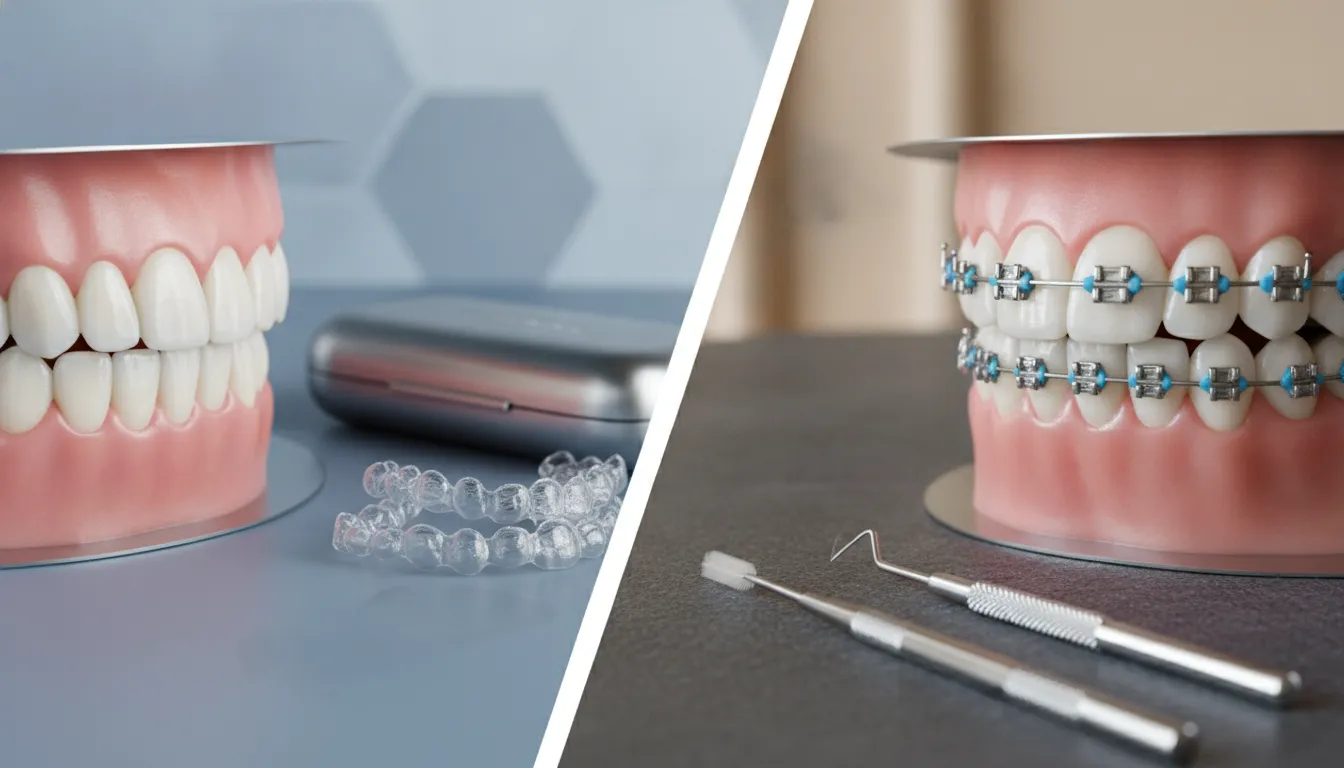
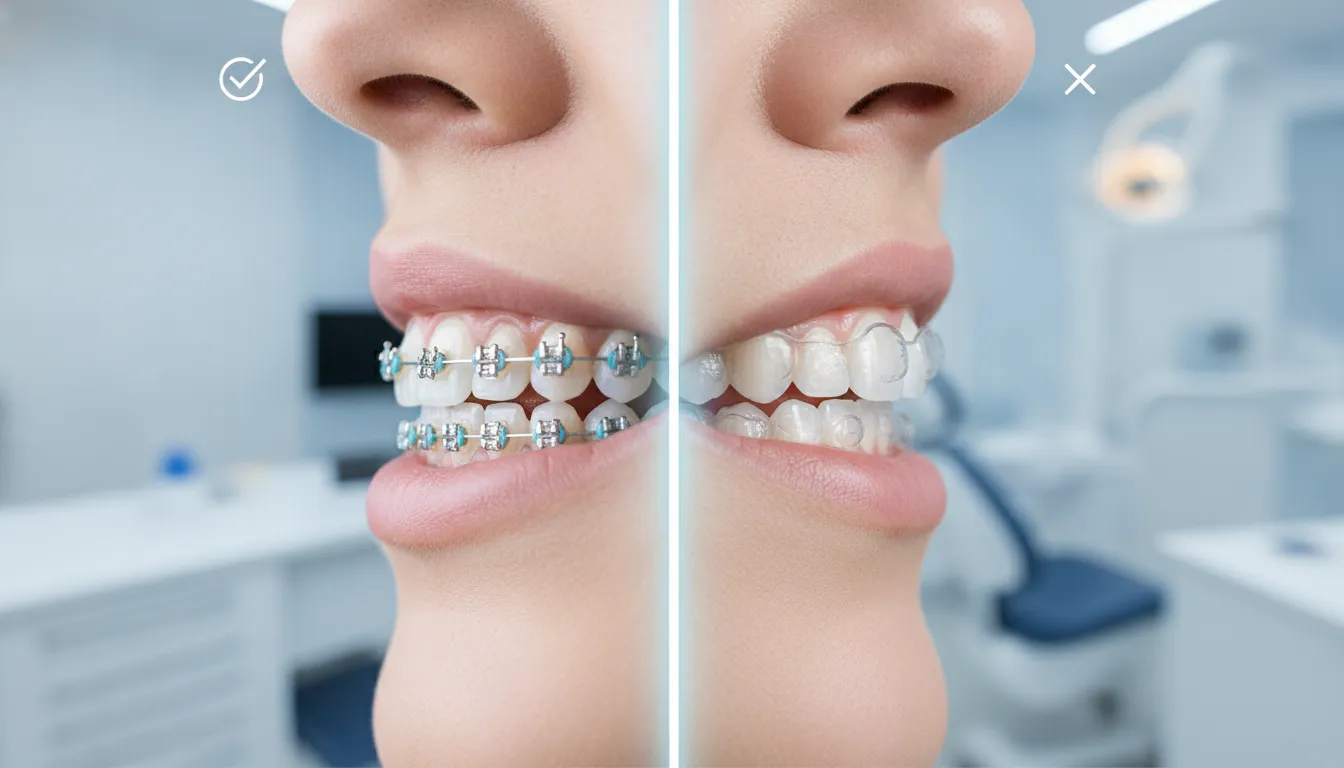
Clear aligners are thin, custom-made plastic trays that fit over your teeth. They apply gentle pressure to move teeth gradually, offering a less noticeable alternative to braces for some people. Treatment involves wearing a series of trays, each designed to make a small, planned adjustment. You’ll switch to the next set according to your provider’s instructions.
Your treatment plan should reflect your teeth, bite, and goals. The American Association of Orthodontists explains how aligners move teeth in stages, but the right schedule and expected results vary by patient. Wearing your trays consistently and attending check-ins helps your provider monitor your progress and address concerns along the way.
Clear aligners don’t suit every dental concern. Before treatment, a dentist or orthodontist should assess your oral health and bite, then explain whether aligners or another option may be a better fit. If you’re exploring care in Cathedral City, you can review Desert Dental Alternatives’ dental services and ask which treatments may meet your needs.
Custom trays move teeth in planned stages
Your provider uses a treatment plan to create a series of aligners for your teeth. Each tray is shaped to make a small adjustment, and the next tray continues the planned movement. Many patients wear each set for about a week, but your provider may recommend a different schedule based on your case. The AAO’s clear aligner guidance explains how patients use custom trays in sequence.
You may feel pressure or mild soreness when you begin wearing a new set. This can happen as the trays start moving your teeth. Contact your provider if pain is severe, a tray doesn’t fit properly, or you’re unsure when to switch to the next set. Don’t skip ahead without their guidance.
Wear trays as directed and attend progress visits
For aligners to work as planned, wear them for the number of hours your provider recommends. Many treatment plans call for at least 22 hours a day, with trays removed for meals and cleaning. Wearing them less often may affect your progress or make the next set fit poorly. If you’re having trouble keeping them in, let your provider know so you can discuss practical ways to stay on schedule.
Keep your progress visits, even when treatment seems to be going smoothly. Your provider can check how your teeth are moving and respond to problems such as discomfort or a loose tray. Regular follow-up also gives you a chance to ask questions before a small concern becomes a bigger one.
Remove trays to eat and clean your teeth
Take your aligners out before eating, and remove them for drinks other than water. Food can damage or stain the trays, and hot drinks may warp the plastic. After meals, brush and floss before putting your aligners back in when possible. This helps prevent food and plaque from becoming trapped against your teeth.
Clean the trays according to your provider’s instructions, and place them in their case whenever they’re not in your mouth. Avoid wrapping them in a napkin, since they can be misplaced or thrown away by mistake. If you lose or damage a tray, contact your provider for advice rather than skipping to the next one. The AAO recommends removing aligners for meals.
Have a qualified provider assess your teeth, bite, and goals
Before you start, a dentist or orthodontist should examine your teeth, gums, and bite to see whether clear aligners are appropriate. The assessment may include X-rays, digital scans, or impressions. These records help your provider plan tooth movement and identify oral health concerns that may need attention first. The FDA’s guidance on clear dental aligners explains why professional assessment matters.
Use your appointment to describe what you’d like to change and ask what results are realistic. Your provider can discuss the expected timeline, progress visits, and other treatment options if aligners aren’t right for your needs. Ask questions about anything that feels unclear before committing to a plan.
What Does Clear Aligner Treatment Cost?
Clear aligner treatment is usually priced as a full plan, but the total depends on your teeth, bite, goals, and provider. When you compare estimates, look beyond the advertised starting price and ask what your quote includes.
Treatment may cost about $3,000 to $8,000, depending on your case and provider
A full course of clear aligner treatment may cost about $3,000 to $8,000. This is a general estimate, not a set price. Mild alignment concerns may need fewer trays and less time, while more complex tooth or bite changes can require a longer plan. Location and the provider’s approach to treatment can also affect the cost. A clear aligner cost overview reports a similar range, but an in-person assessment is the best way to get an estimate for your situation. Ask for a written quote based on your treatment plan, rather than relying on an online average or advertised starting price.
Check whether your quote includes an evaluation, digital scans, aligners, and follow-up visits
Ask for an itemized estimate before you begin. Check whether the price includes an initial evaluation, digital scans or imaging, all planned aligner trays, and progress visits. These steps help your provider plan treatment and monitor how your teeth respond, but they may not be included in every quote. Prices can also vary by location and by the services included in a treatment package, as this clear aligner pricing guide explains. If you’re considering treatment in Cathedral City or the Coachella Valley, ask the dental team to clarify each fee. You can also review Desert Dental Alternatives’ services to learn more about care offered at the practice.
Ask whether it covers refinements, replacement trays, and retainers
The first set of trays may not be your only expense. Some treatment plans include refinement trays, which can help address teeth that need further adjustment near the end of treatment. Ask whether refinements are covered, and what you would pay if you lose or damage a tray or need extra treatment time. Find out whether retainers are included, too. Retainers help maintain your results after active treatment, but they may be billed separately. Coverage differs by provider, so get the details in writing. This overview of clear aligner costs also discusses insurance as one factor that can affect out-of-pocket expenses.
Compare the full cost of supervised aligner treatment with braces, not just monthly payments or starting prices
When comparing clear aligners with braces, request the total cost of each complete treatment plan. Include the evaluation, scans or imaging, appliances, follow-up visits, possible refinements, and retainers. A low monthly payment may sound manageable, but it doesn’t necessarily show the full cost or what services are included. The total price of aligners and braces can overlap, and the right option depends on your dental needs as well as your budget. This comparison of aligner and braces costs outlines factors that may affect the final amount, including case complexity, treatment length, location, and provider experience. Ask your dentist to explain both plans and compare their total costs side by side.
What Affects Clear Aligner Costs?
Clear aligner fees depend on more than the trays. Your treatment needs, the services included in your plan, and how your teeth respond can all affect the final price. Ask for an itemized estimate that covers the full course of care, so you can compare plans fairly and understand which costs may come up later.
Case complexity, treatment length, and number of aligners
A minor adjustment may take fewer trays and less time than correcting several alignment or bite concerns. More complex cases often need additional stages of tooth movement, which can affect the total fee. Your provider will assess your teeth and bite before estimating the length of treatment and number of aligners you may need.
The timeline is an estimate, not a guarantee. The Invisalign treatment overview explains that treatment time can depend on case complexity, aligner type, and how consistently you wear your trays. Ask what might change your timeline and whether your quoted fee includes additional trays if your teeth need more movement than expected.
Provider expertise, treatment planning, imaging, and progress monitoring
Your fee may include professional care as well as the aligners. A provider evaluates your teeth and bite, plans the movement, and monitors your progress. Digital scans or imaging may help with treatment planning, while follow-up visits give your provider a chance to check the fit and address concerns.
Ask who will supervise your treatment and how often you’ll have progress visits. Confirm whether the evaluation, imaging, and checkups are included in your quote. A lower advertised price may not include the same services as a complete treatment plan. You can explore Desert Dental Alternatives’ services to learn more about care available at the practice.
Fees for lost trays, refinements, extended treatment, or retainers
Lost or damaged trays can interrupt treatment. Ask your provider what to do if you can’t wear your current set, and whether a replacement tray comes with an additional fee. Follow their instructions rather than switching trays on your own, since the right next step depends on your treatment plan.
Some patients need refinement trays if their teeth haven’t moved as expected. Check whether refinements or treatment extensions are included, and whether there are limits. Retainers are another cost to ask about. They help maintain your results after active treatment, but may be priced separately. Request a written estimate that identifies what’s covered and which services could add to your total.
Location and services included in your plan
Treatment costs can vary by location, in part because practices have different operating expenses. Prices can also reflect which services are included. One quote may cover imaging, progress visits, refinements, and retainers, while another may charge for some of these separately. Compare the full treatment plans, not just the initial price.
Ask for an itemized estimate that covers care from your first evaluation through retention. National cost ranges can provide general context, but they can’t tell you what your own treatment will cost. A dentist or orthodontist in Cathedral City or the Coachella Valley can assess your teeth and explain the care and fees in your personalized plan.
Wear trays consistently to help stay on schedule; ask how delays may affect your plan or cost
Aligners work by applying planned pressure over time, so wear them as directed by your provider. Taking them out too often or skipping days may affect tooth movement and delay treatment. The FDA’s guidance on clear dental aligners advises patients to follow their treatment instructions and contact their provider with concerns.
Before treatment begins, ask what to do if you miss wear time, lose a tray, or need to reschedule a visit. Find out whether delays could mean replacement trays, additional appointments, or an extended treatment period, and whether those changes affect your fee. Knowing how your provider handles setbacks can help you plan for both your care and potential costs.
Does Insurance Cover Clear Aligners?
Orthodontic benefits may cover some eligible treatment costs
If your dental plan includes orthodontic benefits, it may pay part of the cost of clear aligners. Many plans cover eligible aligners and traditional braces under the same orthodontic benefit, but your policy determines what qualifies and how much it pays. Coverage may also depend on the provider, treatment plan, and whether you use an in-network office. The American Association of Orthodontists’ guide to clear aligners recommends checking your specific benefits rather than relying on a general estimate. Before starting treatment, ask your insurer whether clear aligners are covered and whether the plan has restrictions. Your dental provider can explain the proposed treatment and estimate, while your insurer confirms your benefits.
Check age limits, waiting periods, lifetime maximums, and remaining benefits
Orthodontic benefits can include limits that affect your share of the bill. Check whether your plan has an age limit or a waiting period before coverage begins. Ask about the orthodontic lifetime maximum, which is the most the plan will pay toward orthodontic treatment, and how much remains if you or a family member has used benefits before. Your policy may cover only a portion of treatment up to that maximum, leaving you responsible for the rest. Review your plan documents or call the insurer to confirm the details for the person receiving care. If you’re comparing treatment options, ask the provider to explain how the estimated cost fits with the benefits you have available.
Ask your insurer and provider to confirm coverage, estimated payments, and out-of-pocket costs
Request an itemized treatment estimate before you commit. Ask whether the fee includes the evaluation, digital scans, aligners, progress visits, refinements, and retainers. Share the treatment plan with your insurer and ask what it expects to cover, when payments would be made, and what you may owe. Confirm whether the estimate assumes in-network care and whether you need to submit forms yourself. Insurance estimates are not always a guarantee of payment, so ask the insurer to explain any conditions that could change the final amount. A dental office can help clarify the treatment plan and discuss your options. Desert Dental Alternatives provides a range of dental services for patients in Cathedral City and the Coachella Valley.
Ask whether you need preauthorization and when benefits apply
Some plans require preauthorization, also called prior authorization, before orthodontic treatment starts. This review allows the insurer to assess the proposed care against its coverage rules, but approval may not guarantee payment. Ask your insurer whether preauthorization is required, who will submit the request, and what records are needed. Confirm when benefits apply, since some plans pay over the course of treatment rather than all at once. It’s also worth asking whether a change in your treatment plan or timeline could affect coverage. Keep copies of written estimates, approvals, and insurer responses so you can refer to the details later. Your provider can help explain the care being proposed, and your insurer can confirm the terms of your plan.
How Can You Pay for Clear Aligners?
Payment options vary by provider, treatment plan, and benefits. Before starting, ask for a written estimate that explains what the price includes and when payments are due. This makes it easier to compare options and plan for the full cost of treatment.
Ask about in-office payment plans and third-party financing
Ask your dental provider whether the practice offers an in-office payment plan or works with a third-party financing company. Find out if a down payment is required, what you need to qualify, and how long you’ll make payments. Financing can spread the cost over time, but it may not reduce the total amount you pay. Review the terms before agreeing, and check that the payment schedule fits your budget. The Invisalign treatment information notes that financing may be one way to pay, but the options and terms available to you depend on your provider and lender. Ask for details in writing before choosing a plan.
Check whether you can use FSA or HSA funds for eligible expenses
You may be able to use flexible spending account (FSA) or health savings account (HSA) funds for eligible clear aligner expenses. Rules depend on your account and the details of your treatment, so check with your plan administrator before relying on these funds. Ask your provider for an itemized estimate and receipt, and confirm what documentation your account requires. You can also review the IRS guidance on medical and dental expenses, then verify how it applies to your specific FSA or HSA. Planning ahead can help you understand how much of your treatment cost you can pay with account funds.
Review down payments, interest, fees, payment schedules, and missed-payment terms
A monthly payment may look affordable, but review the complete agreement before you commit. Ask how much is due upfront, whether interest applies, and whether there are application, setup, or late fees. Confirm the payment dates, the length of the plan, and what happens if you miss a payment. If you’re comparing an in-office plan with third-party financing, ask for the terms of each in writing. Check whether either option has conditions that could change your payments over time. If anything is unclear, ask the provider or lender to explain it before you sign. Knowing these details helps you make a choice that works for your budget.
Compare the total cost, not just the monthly payment
To compare payment options, add the down payment, installments, interest, and fees over the full term. Then compare what each treatment estimate includes. One plan may cover scans, progress visits, refinements, replacement trays, and retainers, while another may charge extra for some services. Ask for an itemized estimate so you can compare similar treatment plans. General price ranges can help you prepare questions, but they can’t determine what your care will cost. The American Association of Orthodontists’ clear aligner guide recommends seeking a personalized estimate because treatment needs and coverage vary.
Get a Personalized Clear Aligner Estimate
Schedule an in-person evaluation with a qualified provider who supervises treatment
Online price ranges can help you plan, but they can’t account for your teeth, bite, or treatment needs. Schedule an in-person evaluation with a dentist or orthodontist who will supervise your care. They can examine your teeth, discuss your goals, and explain whether clear aligners may be appropriate. The American Association of Orthodontists recommends consulting a qualified provider to assess whether aligners fit your needs and to develop a treatment plan. At Desert Dental Alternatives, you can learn about the practice’s approach to patient care before booking an appointment in Cathedral City.
Ask whether aligners suit your bite, goals, and oral health
Clear aligners can address many alignment concerns, but they may not be suitable for every case. Ask how your bite, tooth position, and oral health could affect treatment. Be specific about what you’d like to change, such as crowding, spacing, or the appearance of your smile. Your provider can explain what aligners may accomplish and whether another treatment could better meet your needs. The evaluation should also identify any dental concerns that may need attention before you begin. Reviewing the practice’s dental services can help you prepare questions about care that may be relevant to your treatment plan.
Request an itemized estimate for treatment, follow-up care, refinements, and retainers
Ask for a written estimate that spells out what the total price includes. It may cover the evaluation, digital scans, aligner trays, progress visits, and refinements if your teeth need further adjustment. Confirm whether replacement trays and retainers are included or billed separately. Ask what could lead to additional fees, such as lost trays or treatment that takes longer than expected. An itemized estimate helps you plan for the full cost instead of focusing only on a starting price or monthly payment. If you have dental insurance, ask the provider’s office to help clarify estimated coverage and your expected out-of-pocket costs.
Compare complete treatment plans with a dentist or orthodontist in Cathedral City or the Coachella Valley
When comparing providers, look beyond the quoted price. Review each plan’s expected treatment length, included appointments, provider supervision, and fees for refinements or retainers. Ask how the provider will monitor your progress and whom you can contact if a tray feels uncomfortable or doesn’t fit as expected. Comparing complete plans helps you understand what each estimate covers and spot costs that may not be included. If you live in Cathedral City or elsewhere in the Coachella Valley, consider meeting with a local provider who can assess your smile in person and answer questions as treatment progresses. Bring your estimates and insurance details to make the comparison easier.
Frequently Asked Questions
How much do clear aligners usually cost?
A full course may cost about $3,000 to $8,000, but that range is only a general guide. Your personalized estimate depends on your teeth, bite, treatment goals, and what the provider includes. Ask for an itemized quote before you decide.
Does dental insurance cover clear aligners?
Some plans with orthodontic benefits may cover part of aligner treatment. Coverage rules vary, so check your policy for age limits, waiting periods, lifetime maximums, and any preauthorization requirements. Ask your insurer to confirm your benefits and your provider to explain the proposed fees.
Can I pay for clear aligners in installments?
Some dental practices offer payment plans or work with third-party financing providers. Ask about the upfront payment, interest, fees, payment schedule, and missed-payment terms. You may also be able to use FSA or HSA funds for eligible expenses, but confirm the rules with your account administrator.
Are clear aligners right for everyone?
No. A dentist or orthodontist needs to assess your oral health, tooth alignment, and bite before recommending treatment. During an evaluation, ask what aligners can reasonably address and whether another option may better suit your needs.
What should I ask before starting treatment?
Ask what the quoted price includes, how often you’ll have progress visits, and whether refinements, replacement trays, and retainers cost extra. Also confirm how long you should wear your trays each day and what to do if one feels uncomfortable, gets lost, or doesn’t fit.